


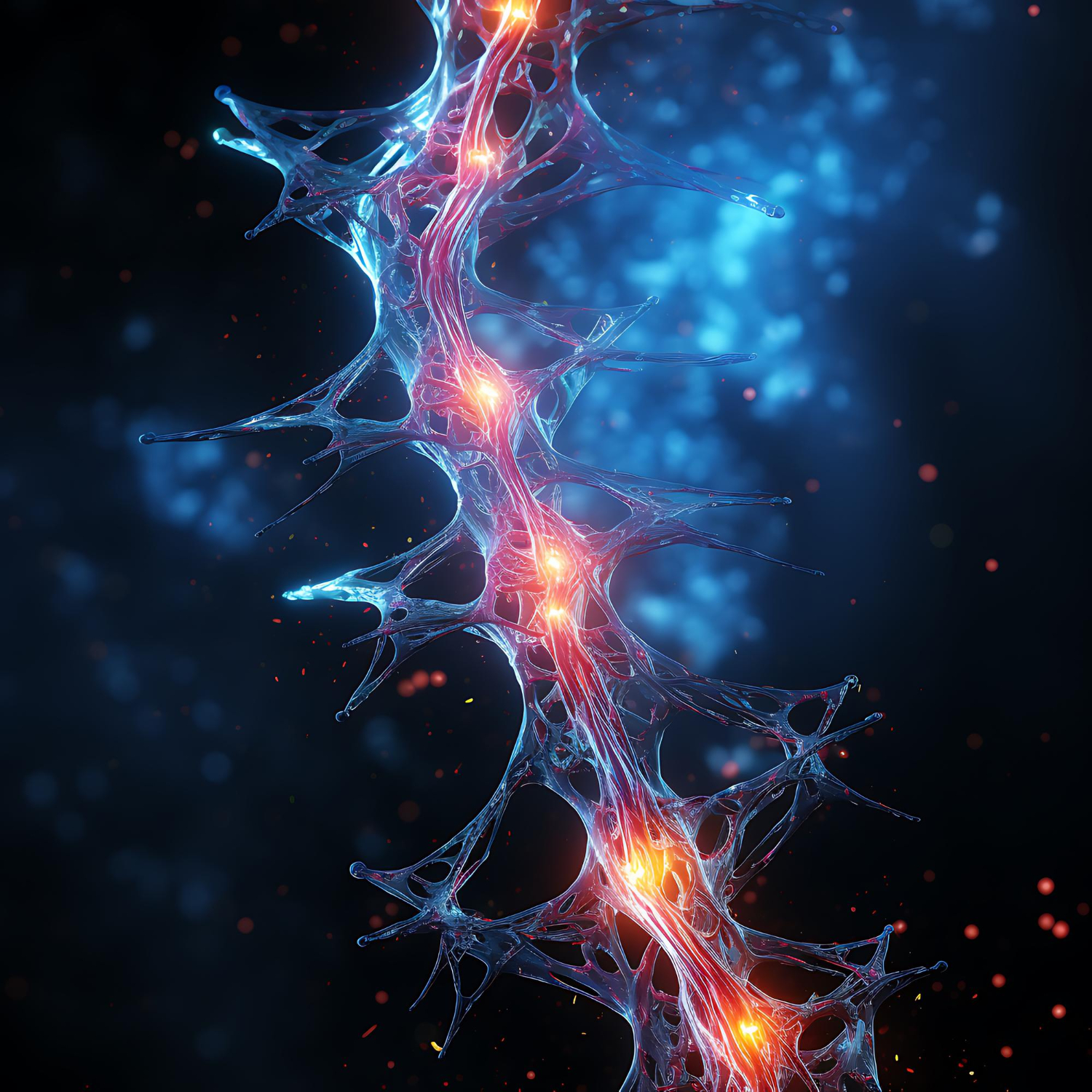
Nerve pain, also known as neuropathic pain, arises from damage or dysfunction in the nervous system. Unlike typical pain, which is a result of injury or inflammation, nerve pain occurs when there is a disruption in how nerves transmit signals to the brain. This type of pain can be chronic and debilitating, significantly impacting a person’s quality of life.
Mechanisms Behind Nerve Pain
Neuropathic pain is often associated with conditions like diabetes, multiple sclerosis, or traumatic nerve injuries. When nerves are damaged, they can misfire and send faulty pain signals, even when no painful stimulus is present. One of the key drivers of neuropathic pain is the alteration of ion channels in nerve cells, making them hyperexcitable. Additionally, the body’s natural pain-inhibition systems become compromised, leading to an exaggerated pain response.
Common Symptoms
People experiencing neuropathic pain often describe it as burning, tingling, or shooting. Sensations may vary in intensity, and in some cases, even light touch can provoke extreme discomfort. This condition can manifest in various parts of the body, depending on which nerves are affected.
Treatment Options
Treating nerve pain involves targeting both the symptoms and the underlying causes. Common interventions include:
Medications
Anticonvulsants, antidepressants, and topical agents like capsaicin are often prescribed to reduce nerve hypersensitivity.
Physical Therapy
Therapies aimed at improving function and reducing discomfort through gentle exercise, stretching, and manual manipulation can be beneficial.
Nerve Blocks and Injections
For localized nerve pain, injections of anesthetics or steroids can provide temporary relief.
Neuromodulation
Techniques like spinal cord stimulation can help disrupt the pain signals before they reach the brain.
While neuropathic pain can be challenging to manage, advancements in treatment offer hope for better symptom control and improved quality of life for patients living with this condition.